Interactive equipment models
Explore a machine’s layout, components and interactions in virtual reality (VR). An interactive model can support equipment familiarisation, product demonstrations and preparation for practical work.
Potential benefits
- Make equipment layout and functions easier to understand before physical access.
- Explain hidden components through interactive product demonstrations.
- Give operators, customers and engineering teams a shared view of the machine.
Relevant challenges
Sales and Product Demonstration
- Complex machines are difficult to explain using slides, brochures, or videos
- Customers struggle to understand scale, workflow, and interaction from CAD models alone
How the approach works
A digital equipment model presents the machine at a useful scale and lets users explore selected parts and interactions. Product demonstrations could reveal internal processes or hidden components that are difficult to explain through a brochure or a physical display.
Research and demonstrations
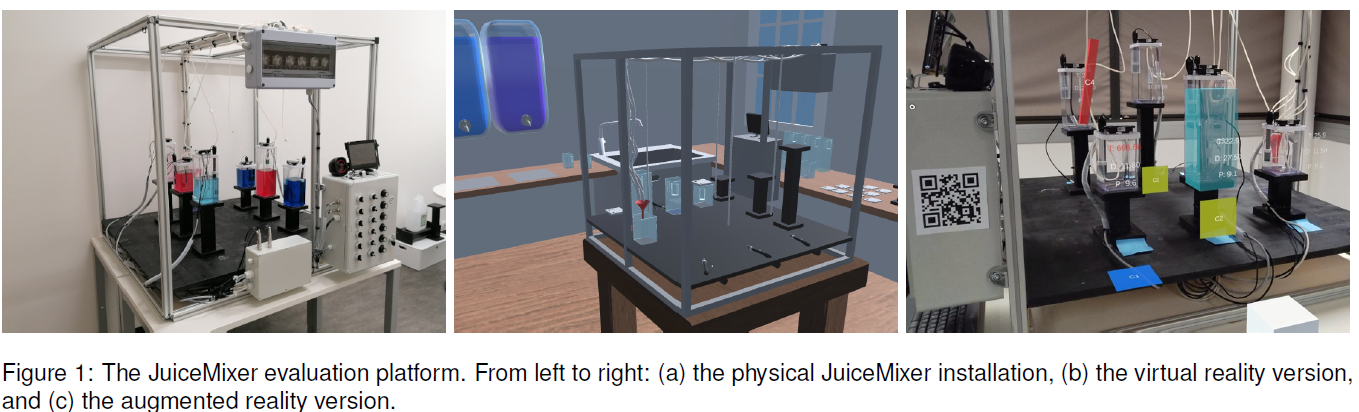
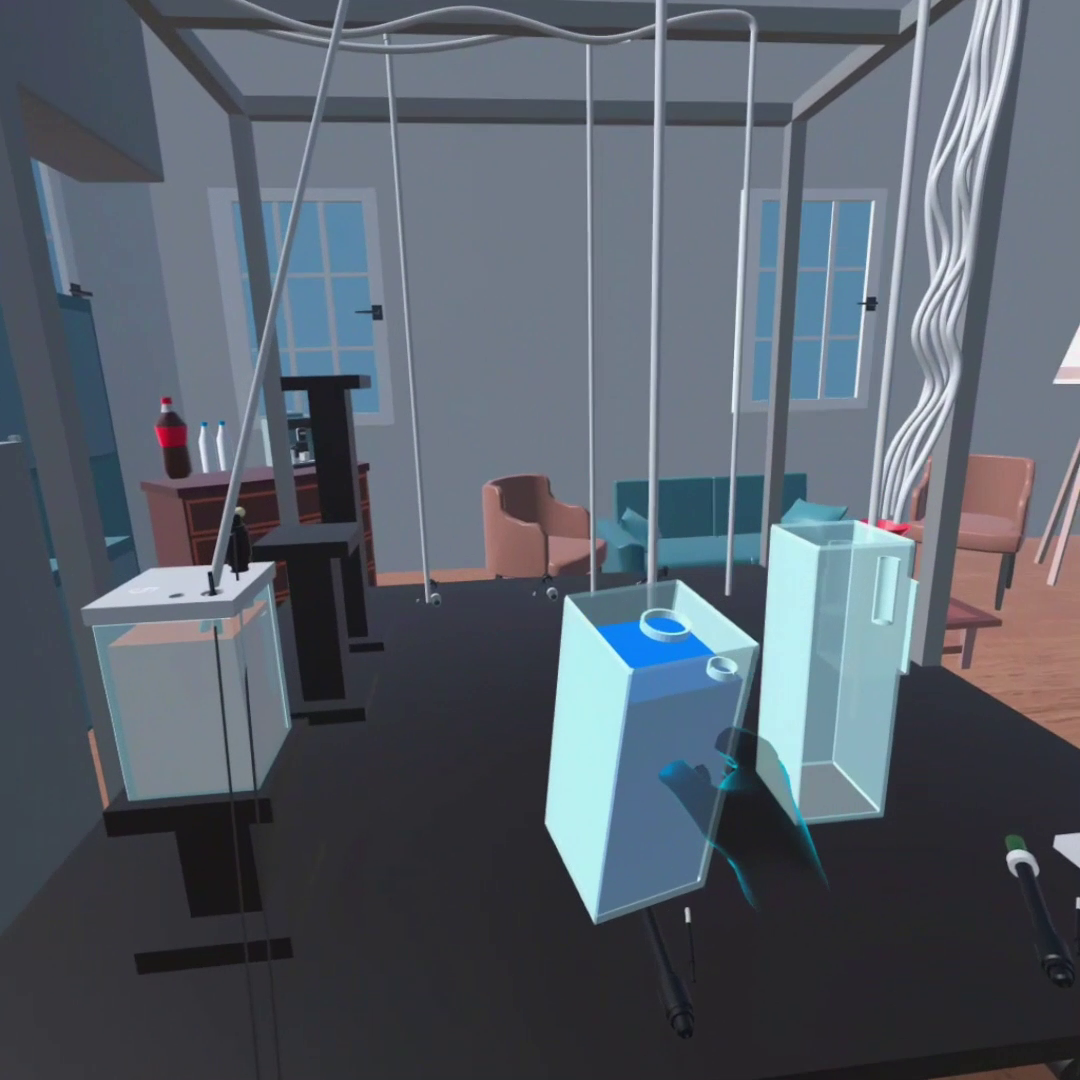
The JuiceMixer examples include virtual equipment interaction and immersive machine controls. They provide examples of how people can explore a digital machine and interact with its components.
Adapting it to your workflow
A project would use the target equipment’s engineering model or other 3D content. The team would select the interactions, internal views and level of detail around the intended audience, then check that the model represents the equipment and task accurately.
What a project could evaluate
A project could assess whether people understand the equipment’s layout and functions, locate relevant components and complete the selected interactions. A product demonstration could also assess how clearly customers understand the equipment and its hidden functions.