Analyse human movement during work
Record movement around tools, equipment or a workstation to examine routes, reaches and coordination. A project could compare layouts or task sequences using measures selected for the work.
 EIRS
All demos · Industrial challenges
Combine motion capture, brain activity recording (EEG) and task interaction to understand how people move while completing work. The featured virtual reality (VR) study compares ways of moving and interacting. Tracking and EEG can also be configured around physical tasks such as equipment operation, assembly or inspection. An immersive simulation and treadmill are used when they fit the task.
Task times and error counts can show what happened, but may not show how people moved to complete it. Movement analysis can reveal routes, reaches, turns and coordination around tools or equipment. This can help teams assess workspace access, task sequences, controls and training. EEG can add brain-signal data when a project has a clear reason to collect it.
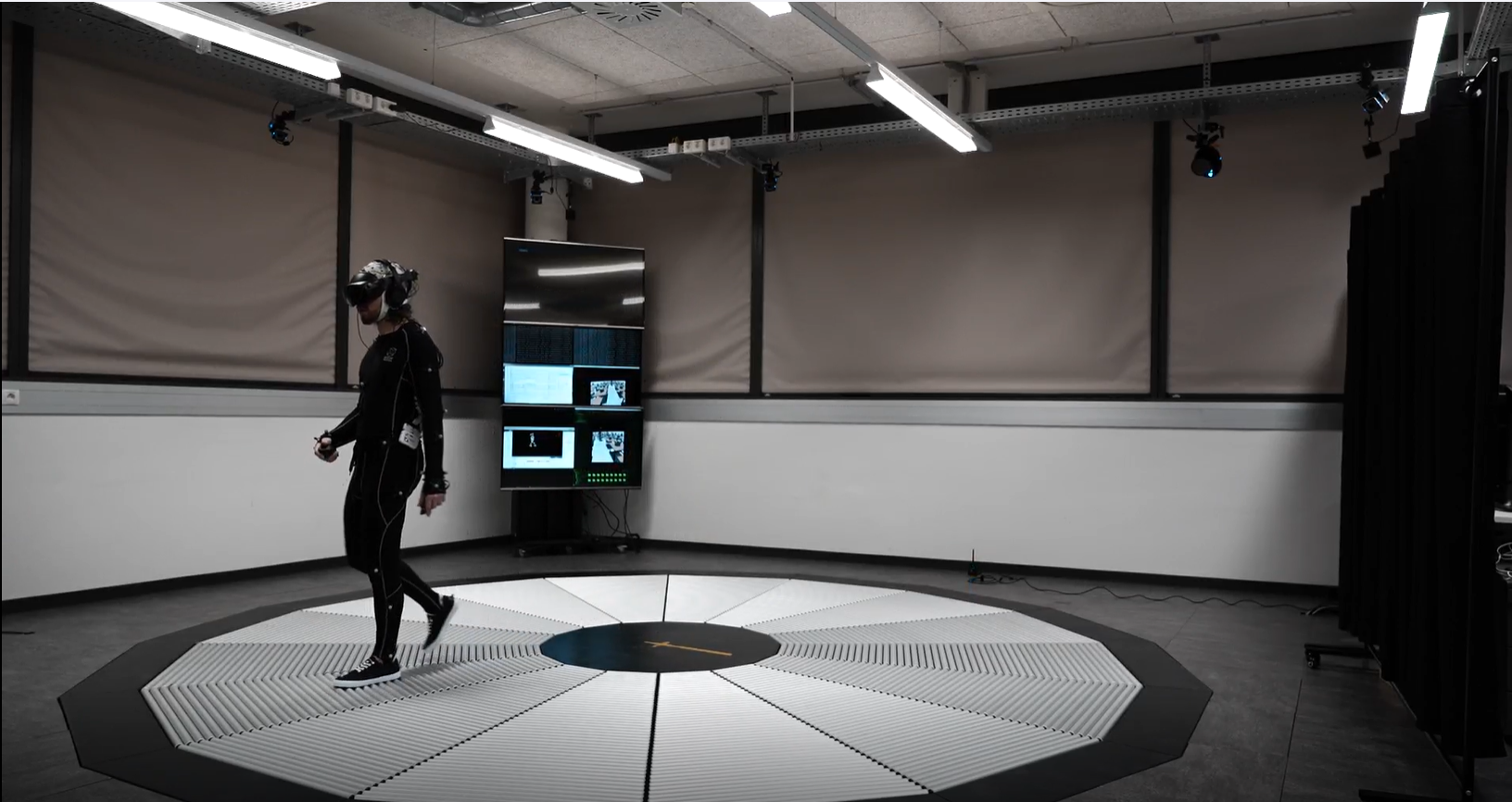
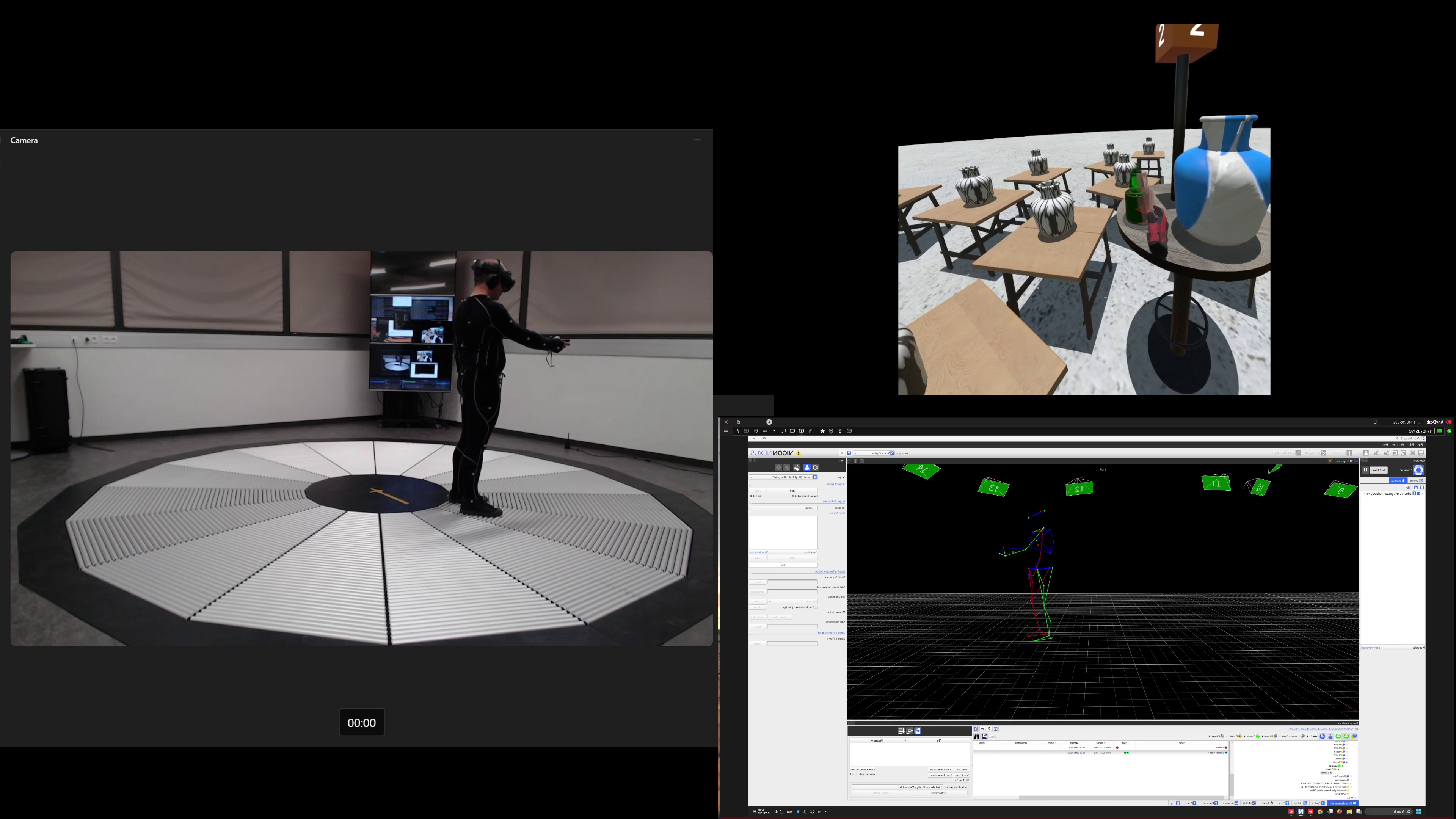
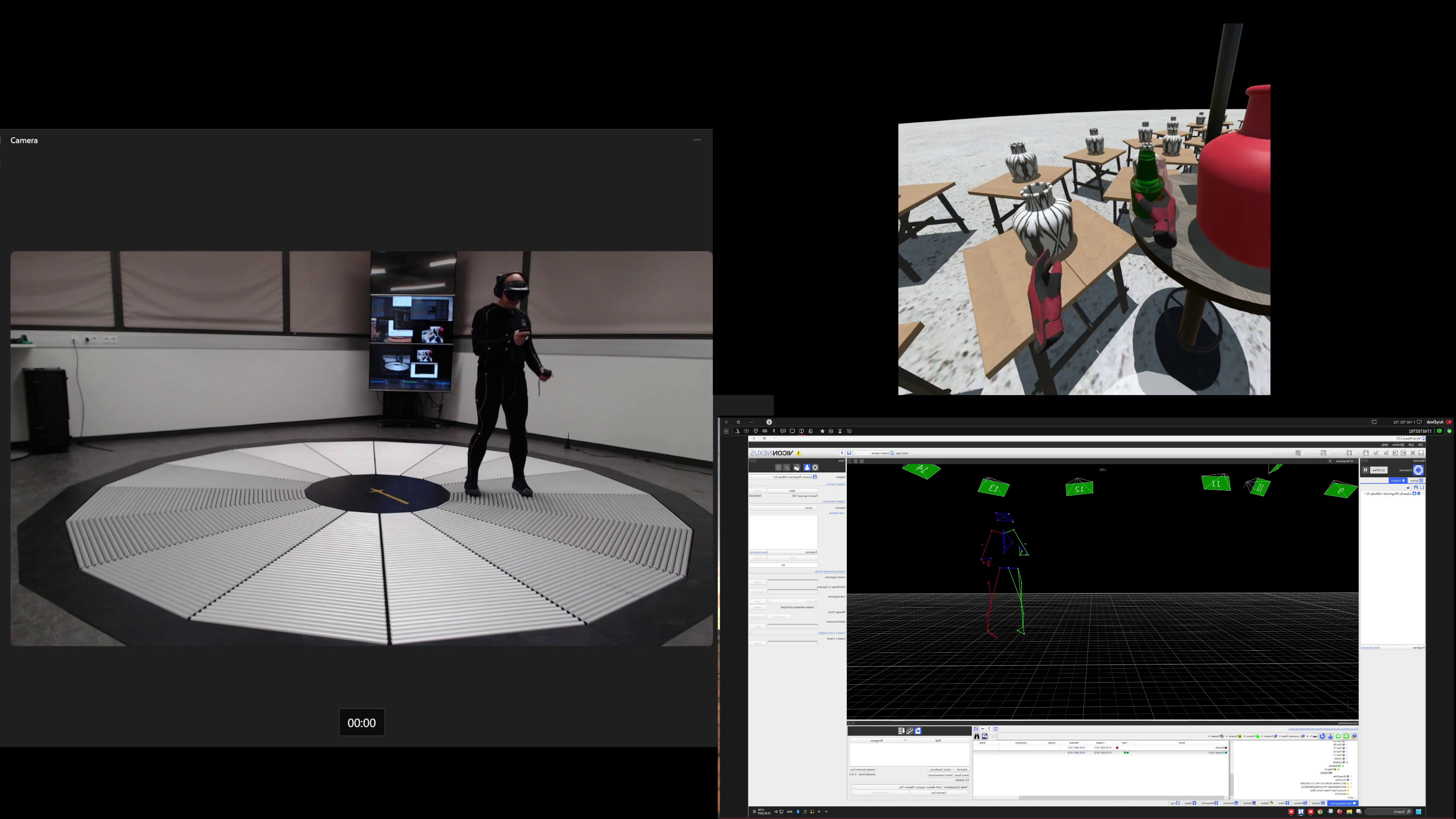
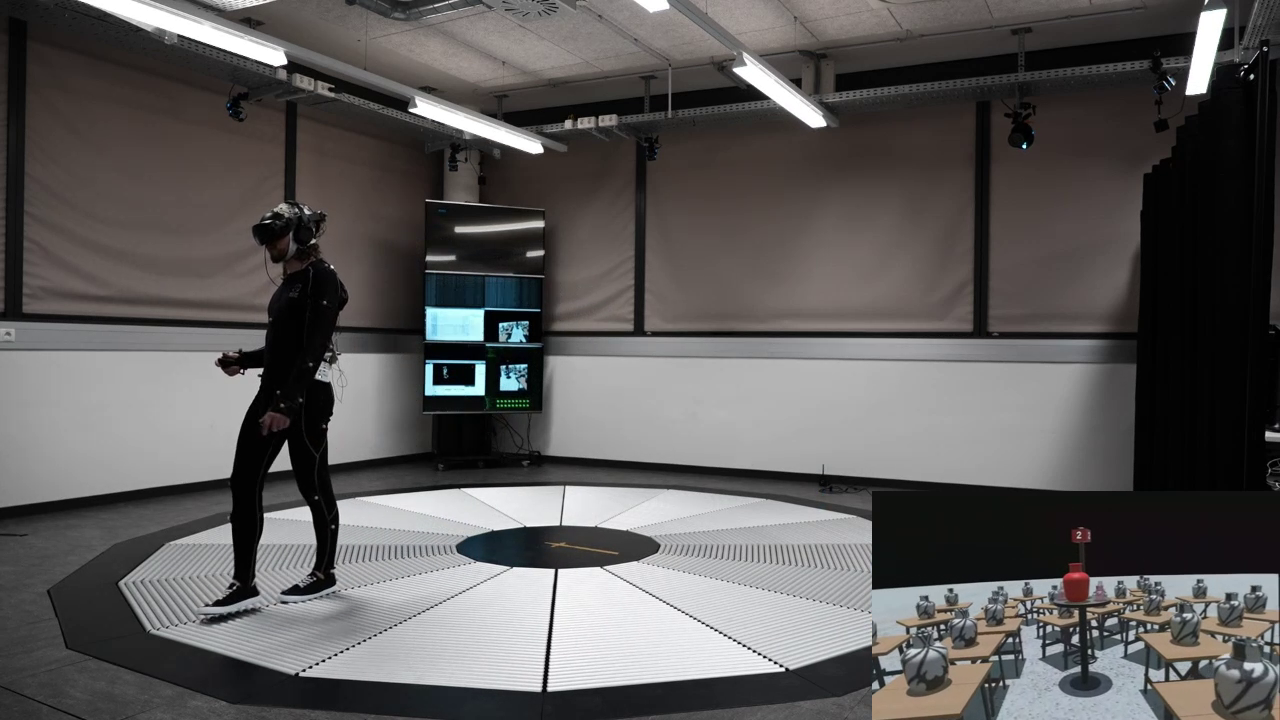
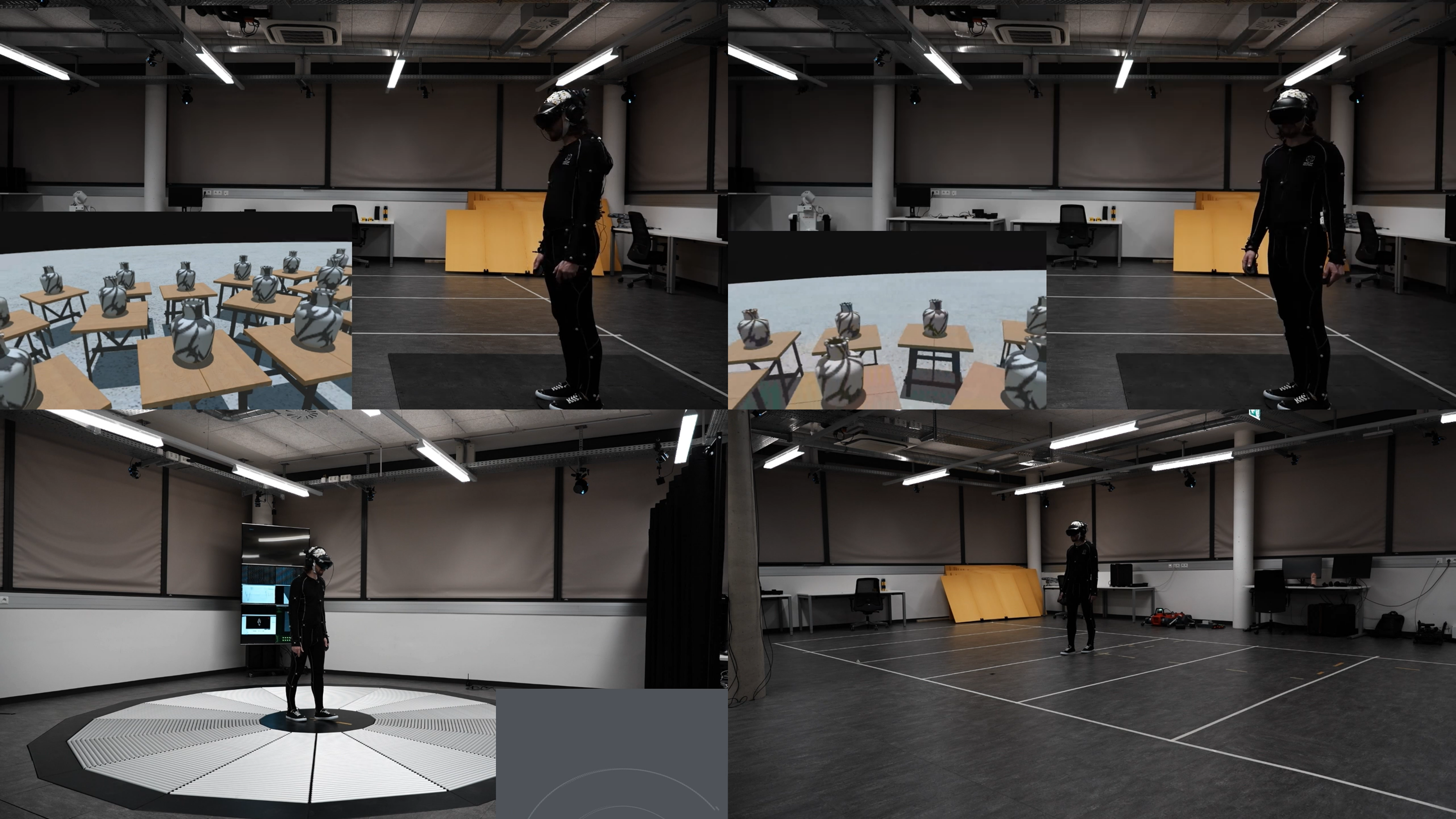
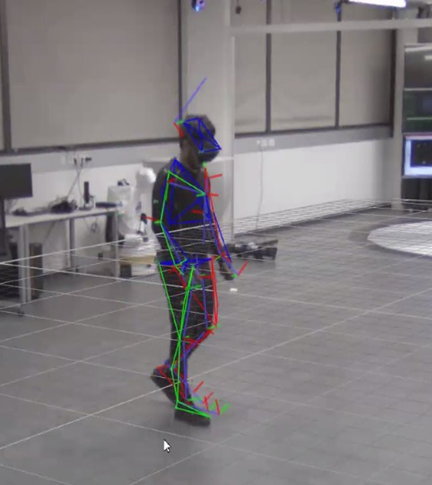
The VR study runs in Unity on a Meta Quest Pro. Movement options include free walking, joystick steering, body-leaning control and an Omnideck VR omnidirectional treadmill, which lets users walk while travelling through a virtual scene. A Vicon optical motion-capture system records full-body movement, and EEG equipment records brain signals. A physical-work study could arrange tracking and EEG around a real workstation or operation. VR and the Omnideck would be optional.
The team defines a task and the outcomes to examine. Participants then perform it while the task application records actions and performance. Vicon captures movement in the space, and EEG recording can be included when it fits the study question. This approach combines quantitative data with qualitative input, including user interviews and standardised questionnaires, to build a fuller picture of the testbed scenario.
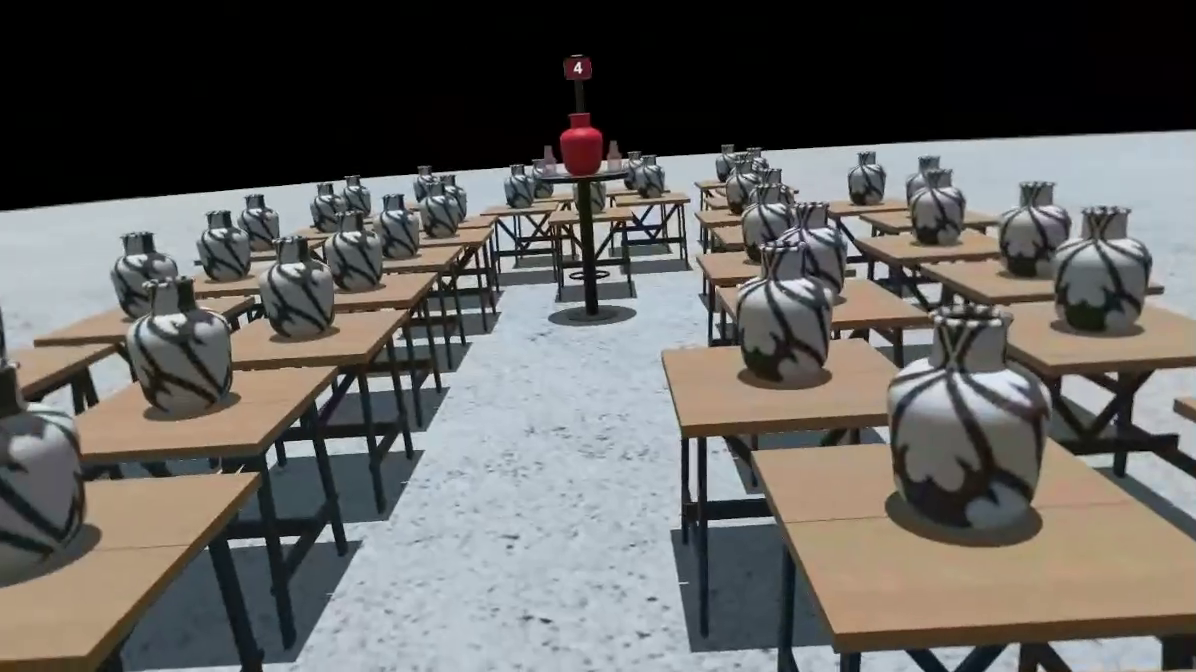
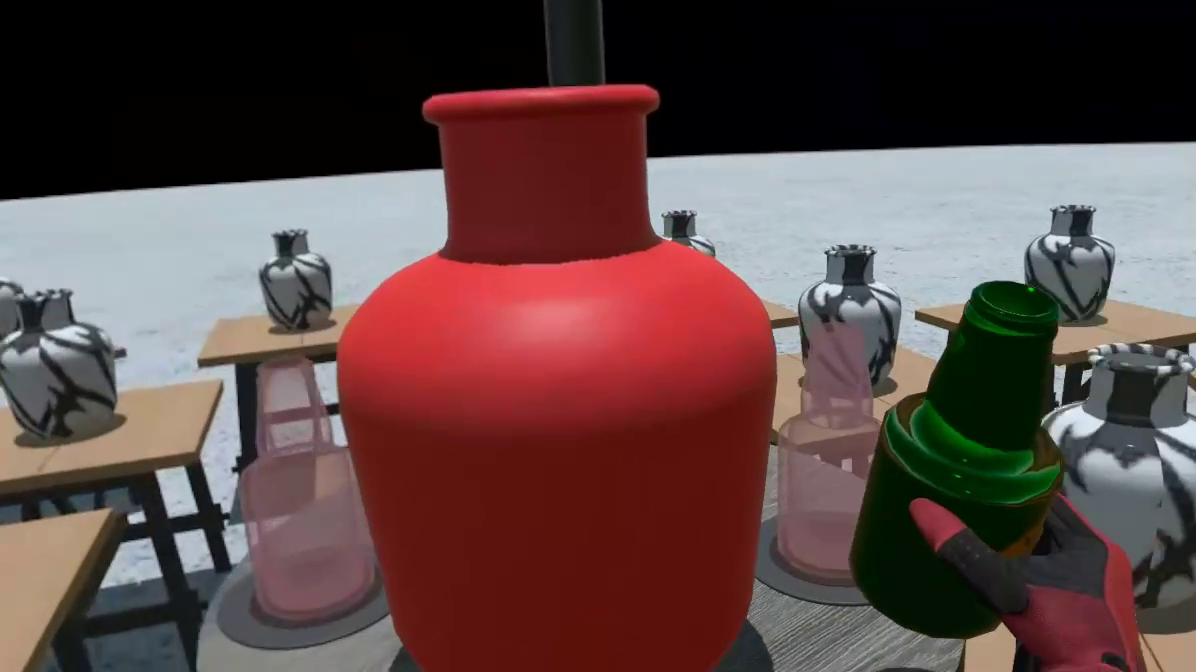
The featured task represents a service scenario. Participants navigated between tables, placed bottles, avoided collisions and recalled recently visited locations. The study shown here compares free walking, joystick steering, body-leaning control and Omnideck walking.
For this VR task, free walking gave the strongest overall results for task performance and user experience. Joystick was the strongest non-walking option for straightforward, efficient control. The Omnideck increased engagement, but more bodily movement did not automatically improve comfort or task performance. The practical lesson is to choose movement methods around the task, available space and user needs. These findings describe the VR task studied and do not establish a universal ranking for physical work.
Similar measurement setups could be configured for assembly, inspection, equipment operation, maintenance and training. Motion data could help teams review reach, movement paths and coordination during representative tasks. EEG would be optional and included when it serves a defined question.
Further development could apply the measurement setup in a physical work area. This would involve selecting a representative operation, agreeing on task and movement measures, deciding whether EEG is relevant, and validating camera positions and analysis in the target environment. The findings could inform workstation layout, equipment access, procedure design or training.
Workplace and interface decisions affect how people move, reach and coordinate their actions. Combining movement measurements with task performance and participant feedback can help teams investigate those effects in real or virtual work scenarios.
Record movement around tools, equipment or a workstation to examine routes, reaches and coordination. A project could compare layouts or task sequences using measures selected for the work.
Compare controllers, hand interaction or body movement for a defined activity. Evaluation can examine accuracy, comfort and how well each method fits the available workspace.
Investigate whether physiological signals and performance measures provide useful information about the person carrying out a task. Developing assistance that responds to those measures would require further research and validation.
A collaboration could combine suitable tracking, sensing and experimental methods around a specific question about movement, interaction or human performance.
Explore research and collaboration →A participant walks on the Omnideck and interacts with objects in the VR task.
This work is part of DDIA, Data Driven Immersive Analytics in Digital Industries.
DDIA is an FFG COMET Module (2022 - 2026) at Know Center Research GmbH.