Interaction designed around the task
Choose how people use voice, gaze, their hands, body or input devices to perform an interactive task. A project could compare individual methods or combine them in a multimodal interface suited to the work and available space.
Potential benefits
- Choose interaction methods that fit the task and available workspace.
- Reduce awkward or unnecessary input steps where a suitable alternative exists.
- Improve the clarity of feedback and the comfort of the interaction.
Relevant challenges
Training and Onboarding
- Manuals and slides are passive
Process Improvement and Decision Support
- People’s practical experience and machine measurements are rarely considered together.
How the approach works
The task determines which actions users need to express. Multimodal interaction combines complementary inputs, such as looking at a component, selecting it by hand and asking a question by voice. Haptic gloves or other physical feedback devices could be integrated where an additional sensation serves the task.
Research and demonstrations
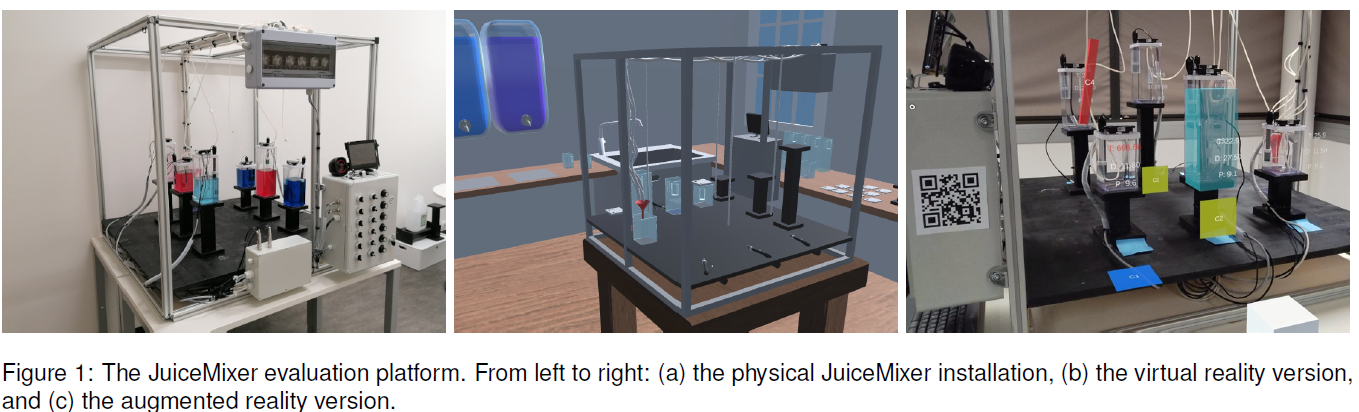
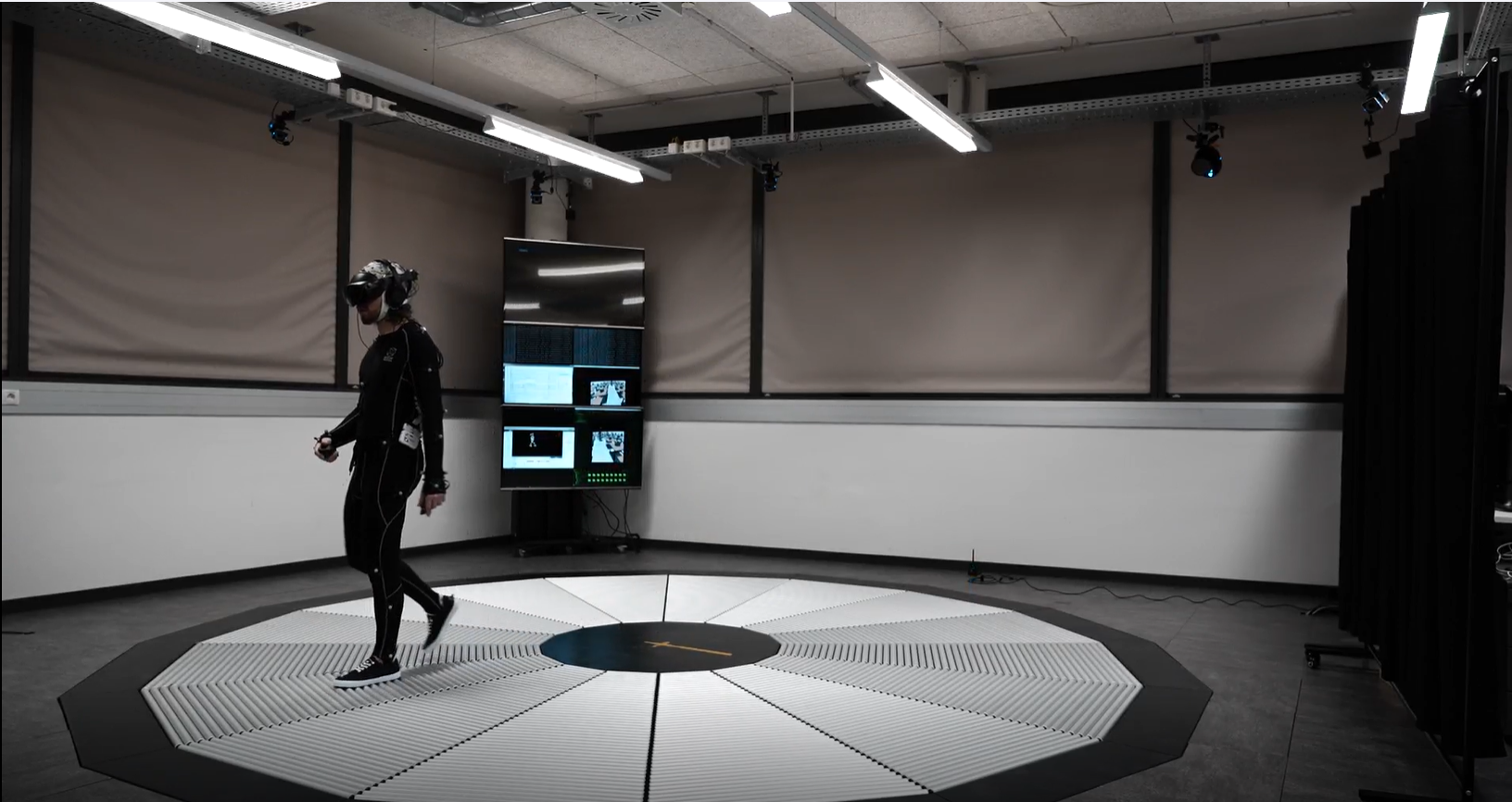
The equipment examples include hand and controller interaction, while the movement study compares several ways of navigating and interacting in virtual reality (VR). These provide foundations for task-specific interaction design.
Adapting it to your workflow
A project would select the required actions and input methods, prototype their behaviour and evaluate them with representative users. Combining inputs would require consistent selection and feedback. Additional haptic gloves or other feedback hardware would need their own integration and testing.
What a project could evaluate
Measures could include task accuracy, comfort, ease of use, coordination and how well the interaction fits the physical or virtual work area. Input steps and reported physical or mental effort could be compared across the candidate methods.