
Assistance informed by operator state
Investigate how support could adapt to changes in workload, fatigue, attention or performance. The aim is to provide assistance that fits the person’s current needs as well as the task.
Potential benefits
- Investigate support that better fits changes in workload, fatigue or attention.
- Identify when assistance might help and when it could interrupt the user.
- Establish evidence before relying on operator-state estimates in a working system.
Relevant challenges
Operations
- Complex controls require more attention during demanding tasks.
Safety and Compliance
- High workload or time pressure can increase the chance of procedural mistakes
How the approach works
A study would first establish which signals and performance measures are meaningful for the selected situation. A support system could then be developed to respond to validated estimates or observations of operator state.
Research and demonstrations
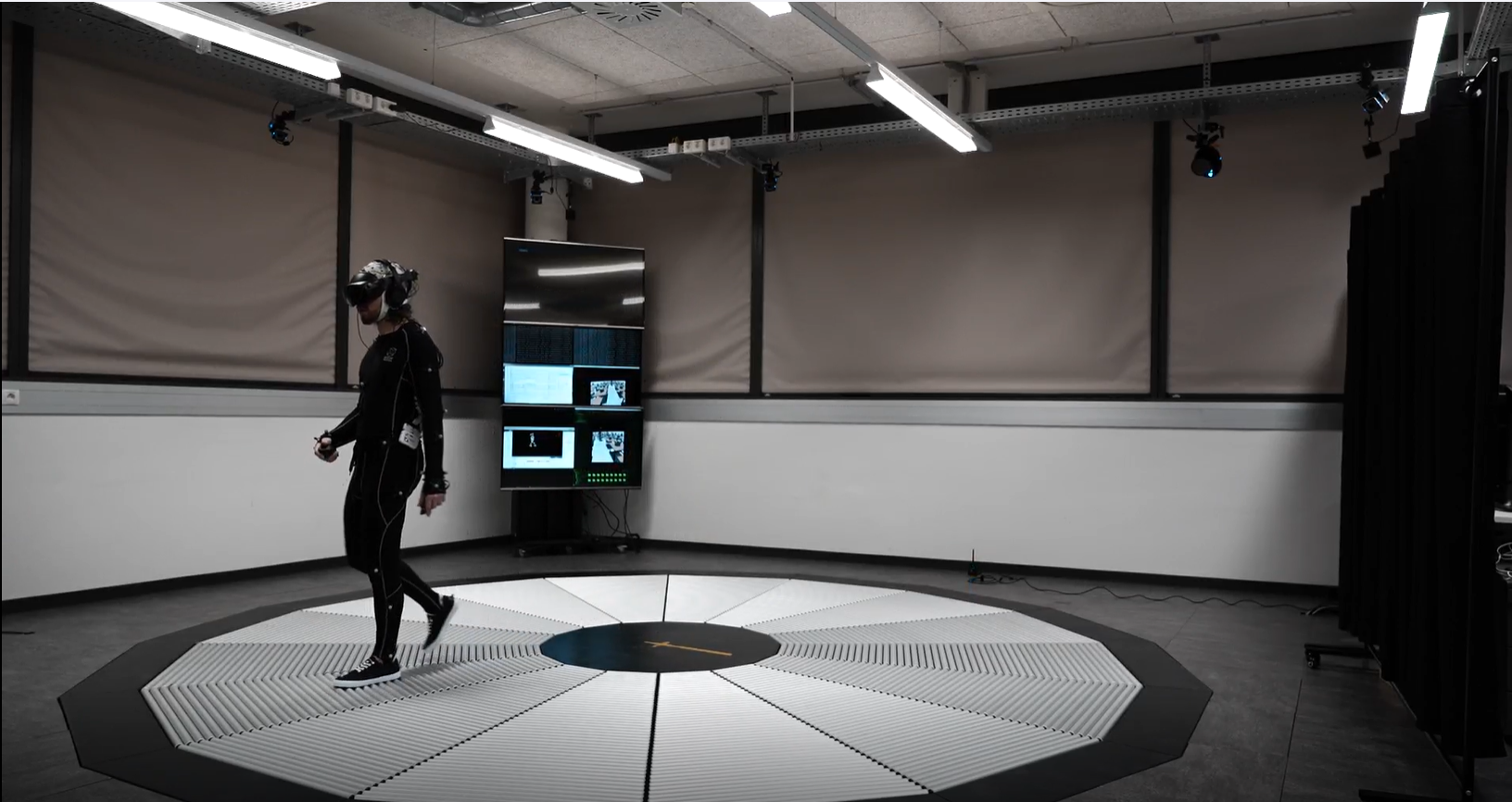
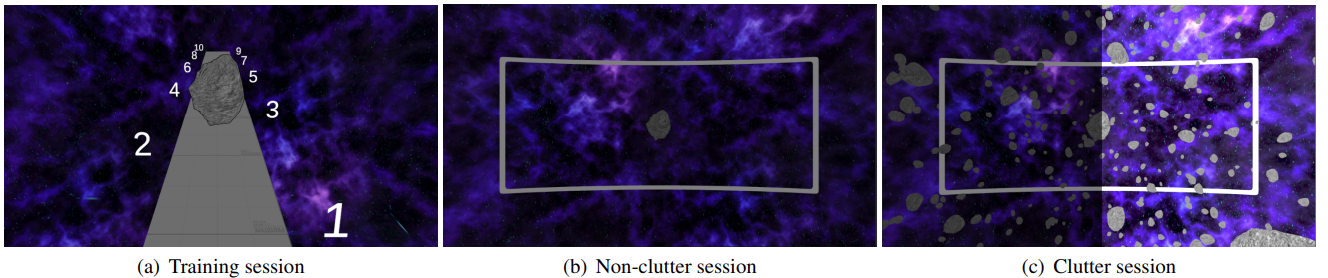
The movement setup includes brain-signal recording, while the perception studies examine how performance changes with fatigue. These are research foundations for studying adaptive support. Real-time state estimation and interventions would be further developments.
Adapting it to your workflow
A project would select and validate the relevant measures, develop state estimation where needed and design the timing and form of assistance. Evaluation would establish whether adaptation is useful and appropriate in the target task.
What a project could evaluate
A project could assess the reliability of state estimates, the usefulness of interventions, task performance and whether assistance adds distraction or unwanted interruptions.