
VR procedure training
Turn a work procedure into an interactive opportunity to practise. Virtual reality (VR) training could support operator onboarding, maintenance rehearsal and preparation before commissioning, with guidance and assessment designed around the task.
Potential benefits
- Provide repeat practice without reserving production equipment.
- Reduce repeated explanations by experienced staff.
- Support more consistent onboarding and preparation for independent work.
Relevant challenges
Training and Onboarding
- Training requires access to the real machine
- Manuals and slides are passive
How the approach works
The procedure is broken into actions, decisions and checkpoints within a virtual task. Guidance and feedback can be designed around what learners need to practise, rather than presenting the instructions only as a document.
Optional gamified learning could add progressive challenges, milestones and scoring when these serve the learning objectives. Practical competence would still need to be assessed against the procedure.
Research and demonstrations
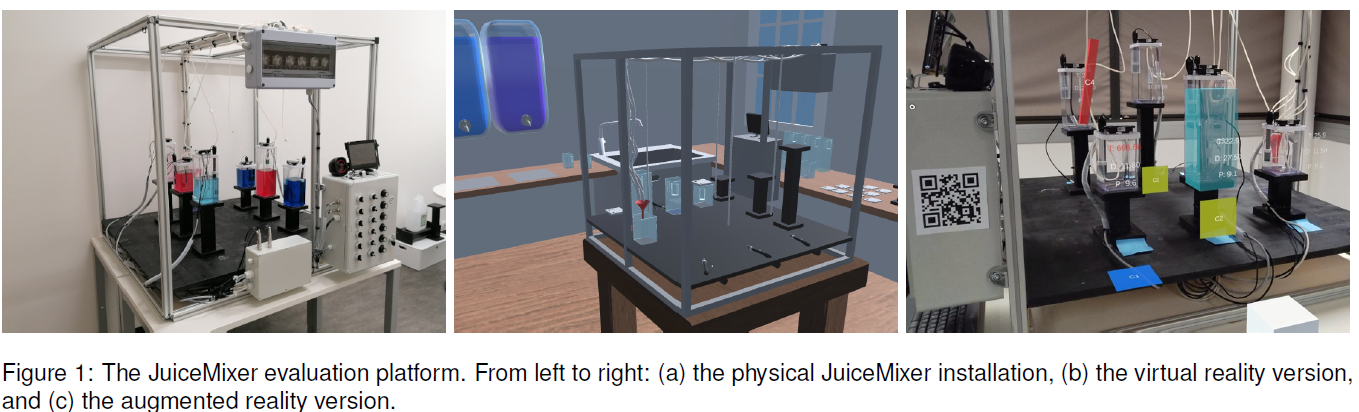
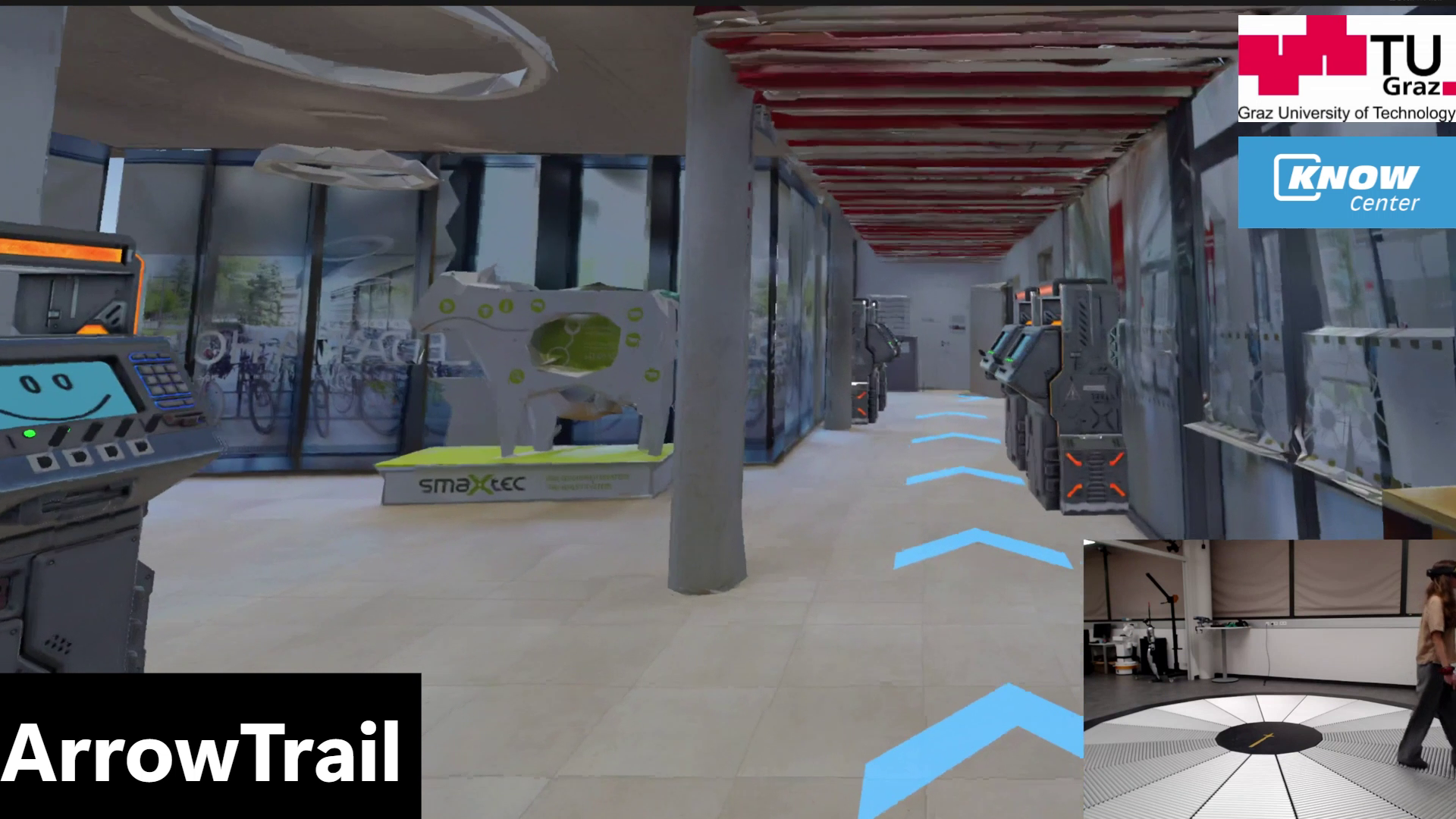
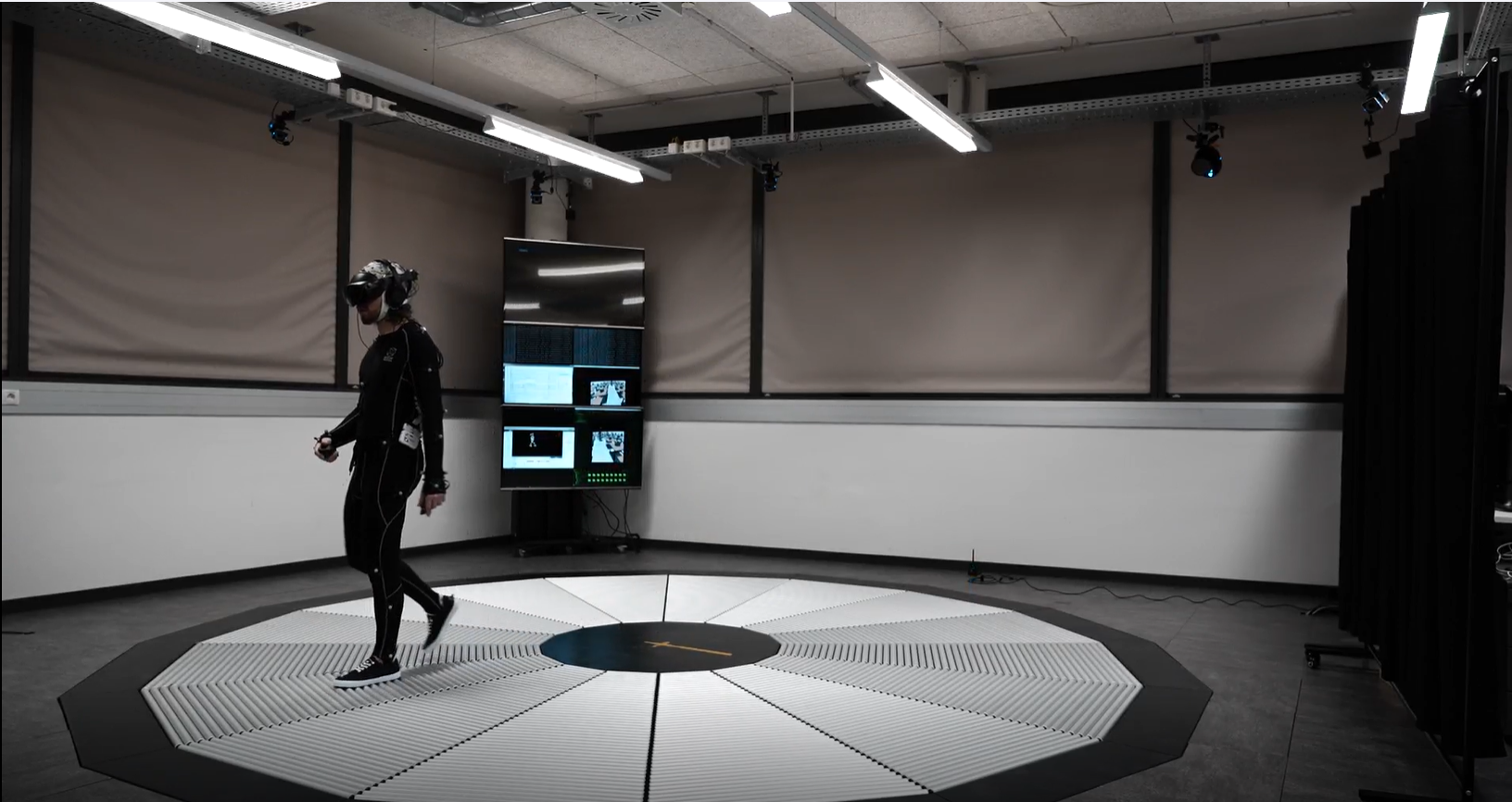
Equipment-interaction examples, the virtual maintenance environment and sequential VR task studies provide relevant foundations. A training application would build on these interactions with learning objectives and task-specific assessment.
Adapting it to your workflow
The project would need an agreed procedure, equipment content and input from people who perform or teach the task. Guidance, scoring and checkpoints would be developed for the intended learners, followed by evaluation of learning and transfer to practical work.
What a project could evaluate
Measures could include procedural accuracy, independent task completion, recurring mistakes and whether skills learned in VR transfer to the real task. A pilot could compare instructor hours, use of production equipment, onboarding time and learner confidence alongside practical task accuracy.