Eye tracking for attention analysis
Study where people look while carrying out a task and relate those observations to their actions. Eye tracking can support questions about information use, visual search and attention in an interface or workspace.
Potential benefits
- Identify where relevant information is overlooked or difficult to find.
- Compare how interface designs affect visual search and attention.
- Support design decisions with gaze measurements considered alongside task performance.
Relevant challenges
Operations
- Operators may miss relevant information because it is buried in dashboards
Process Improvement and Decision Support
- People’s practical experience and machine measurements are rarely considered together.
How the approach works
Gaze measurements are collected alongside task events and performance. Analysis is designed around the question being investigated, so a look at an object is interpreted in the context of what the person was trying to do.
Research and demonstrations
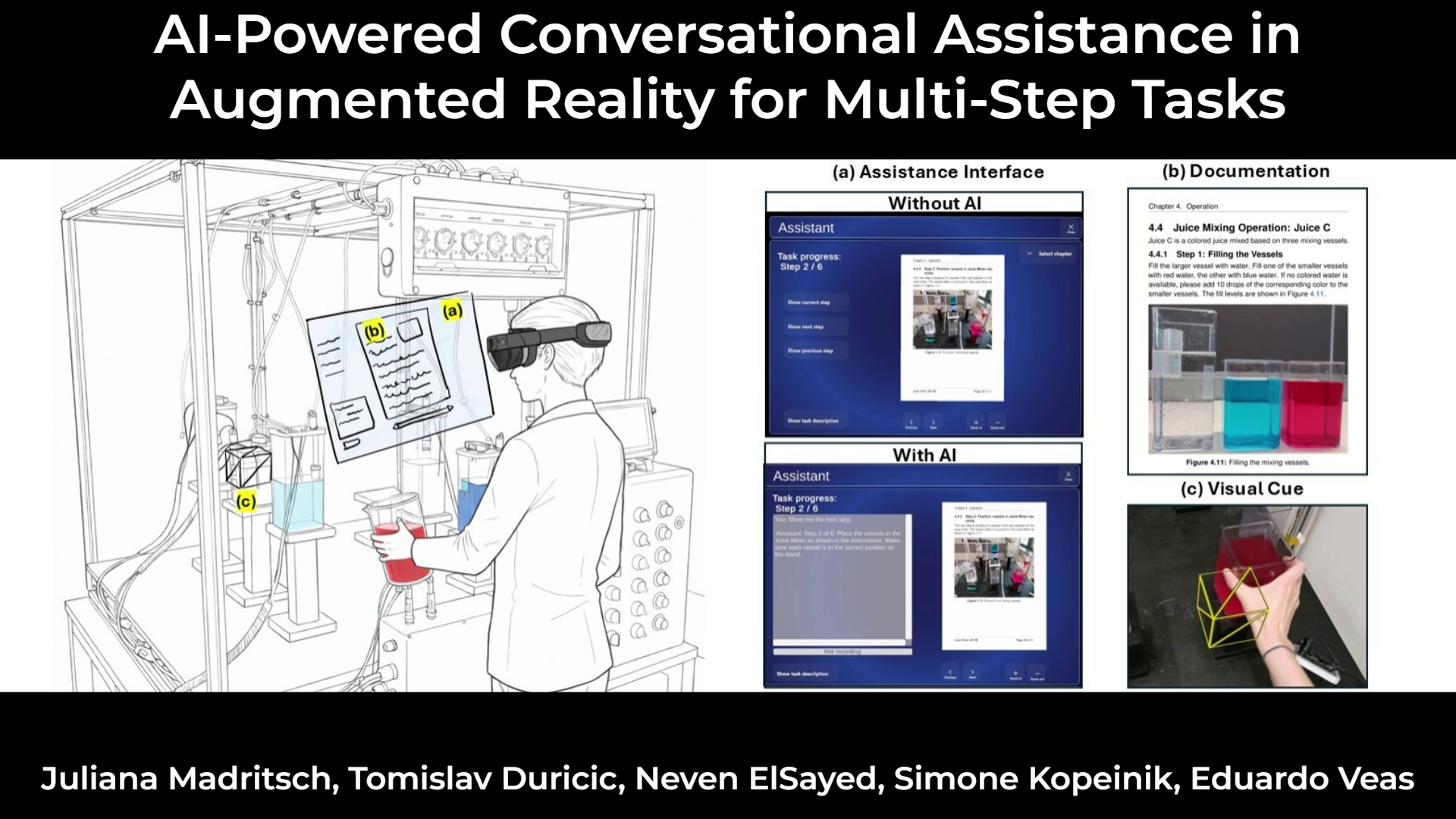
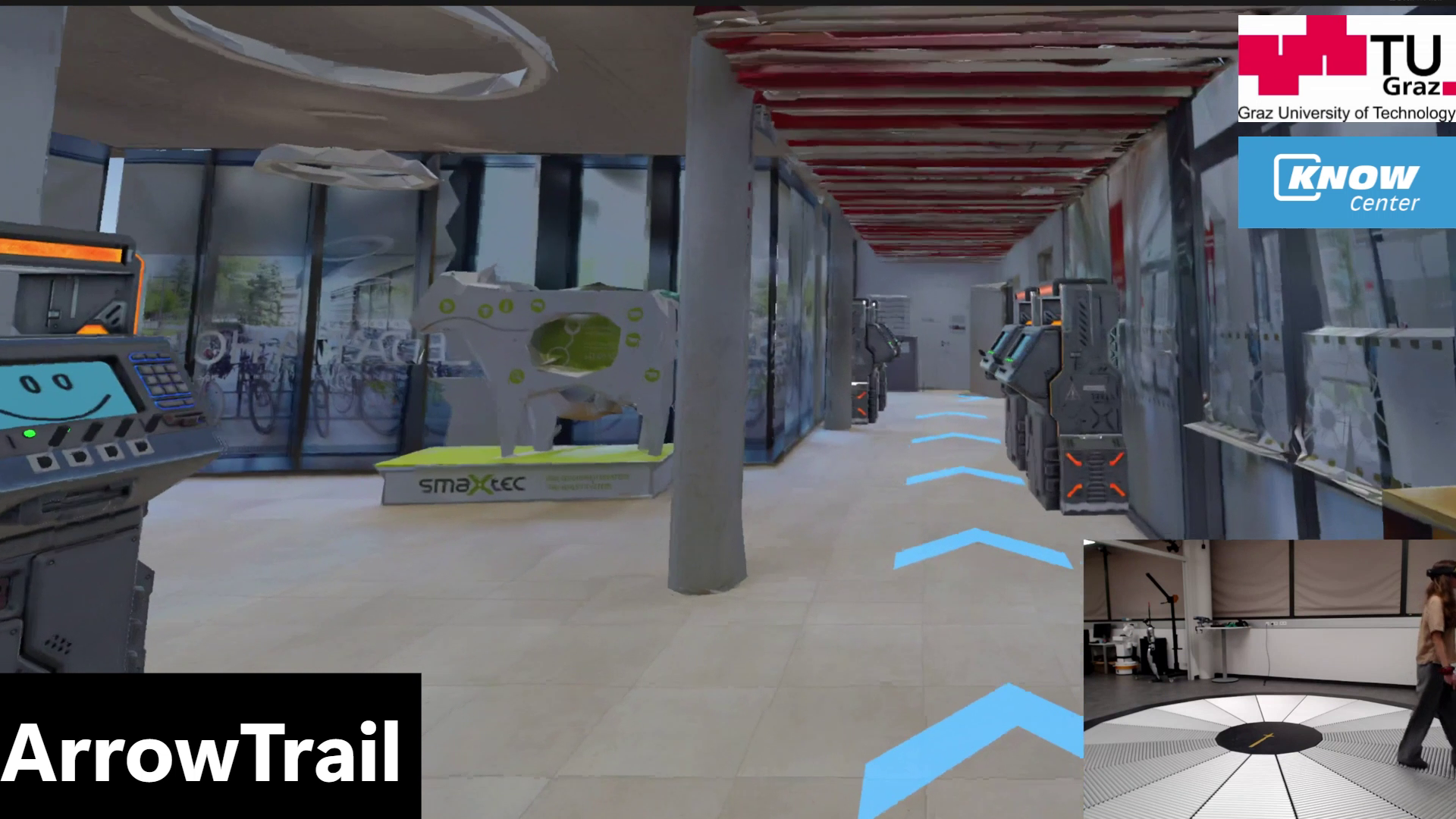
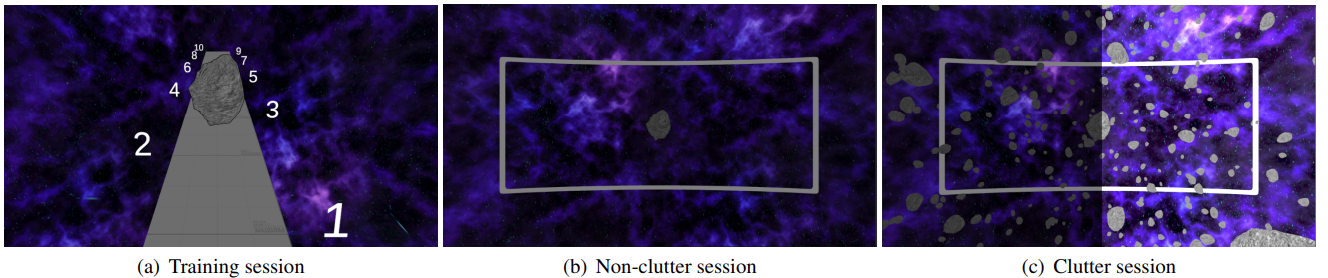
The conversational-assistance study reports attention analysis, the navigation study uses gaze in hazard reporting, and the perception research examines visual attention. These illustrate different uses of eye tracking rather than a single measure of understanding.
Adapting it to your workflow
A project would define the attention measures, calibration process and analysis needed for the task. The design would account for the equipment, viewing conditions and the limits of what gaze measurements can explain.
What a project could evaluate
Measures could include visual search patterns, attention to relevant information, missed areas and relationships between gaze, task actions and performance.