Connected operations workspace
Bring selected machine states, spatial views, documentation, assistance and permitted controls into a shared operations workspace. A project could begin with one asset and extend to an overview of several machines, with connections tailored to the available systems.
Potential benefits
- Reduce switching between separate machine displays, documents and support tools.
- Give operators a more consistent overview across selected assets.
- Make relevant information and permitted remote actions easier to access.
Relevant challenges
Operations
- Operators switch between equipment, control screens, dashboards and manuals.
- Different machines use different interfaces and interaction logic
- Remote monitoring is possible, but remote action is limited
- Operational information is fragmented across multiple systems
Process Improvement and Decision Support
- Improvement opportunities may remain hidden because information is fragmented across systems
How the approach works
A spatial dashboard would connect equipment locations with selected live measurements, state information and historical detail. Operators could move from an overview to an individual asset, consult relevant documentation or assistance and access the controls permitted for that task.
A multi-machine overview would bring different assets into a consistent working environment. Shared units, identifiers, timestamps and access rules would be defined so users can understand which information and actions belong to each machine.
Research and demonstrations
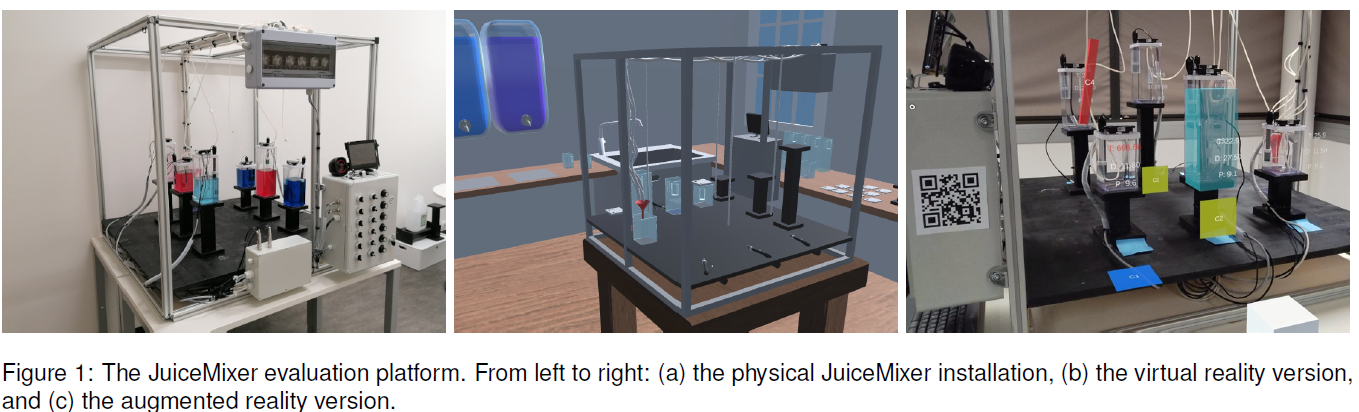
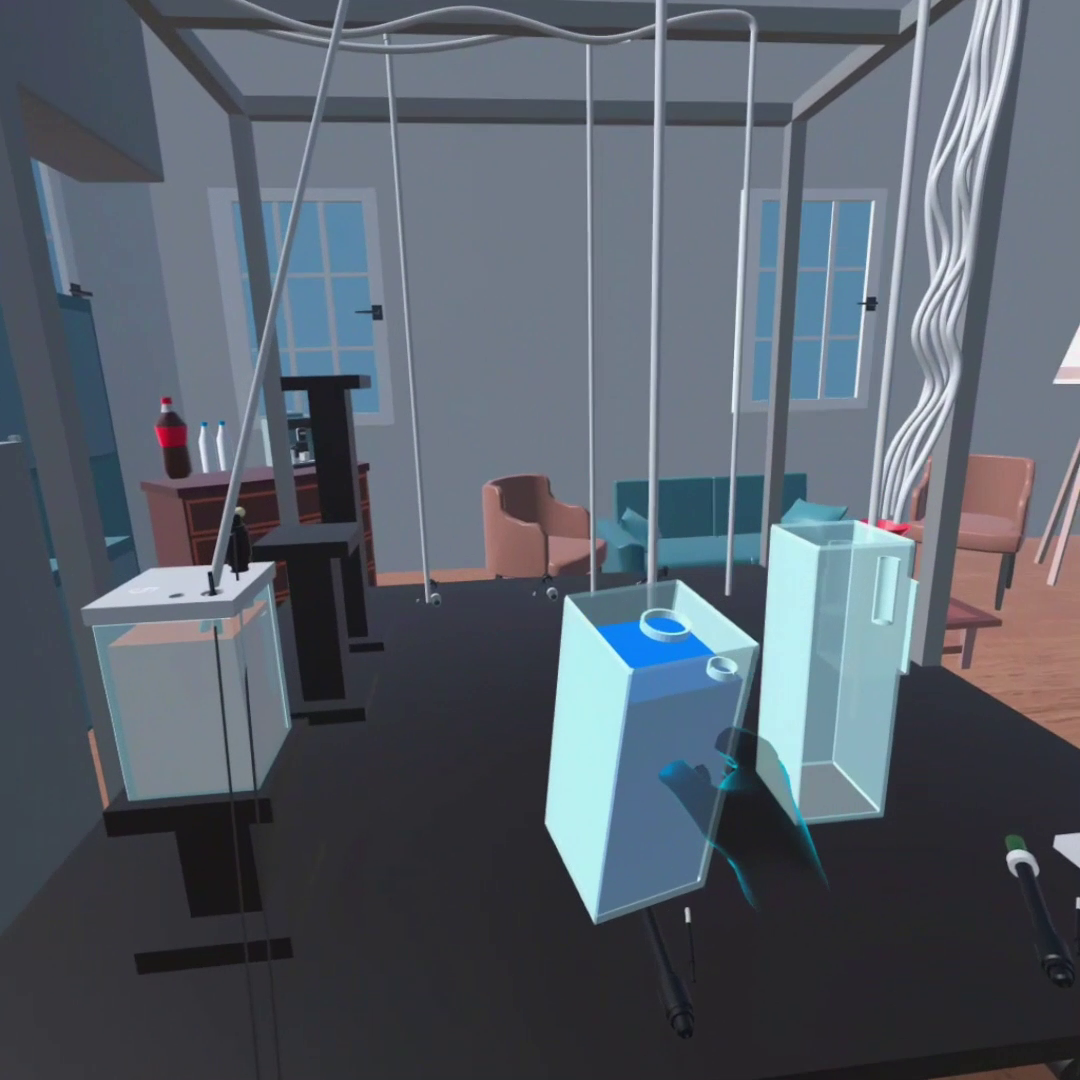
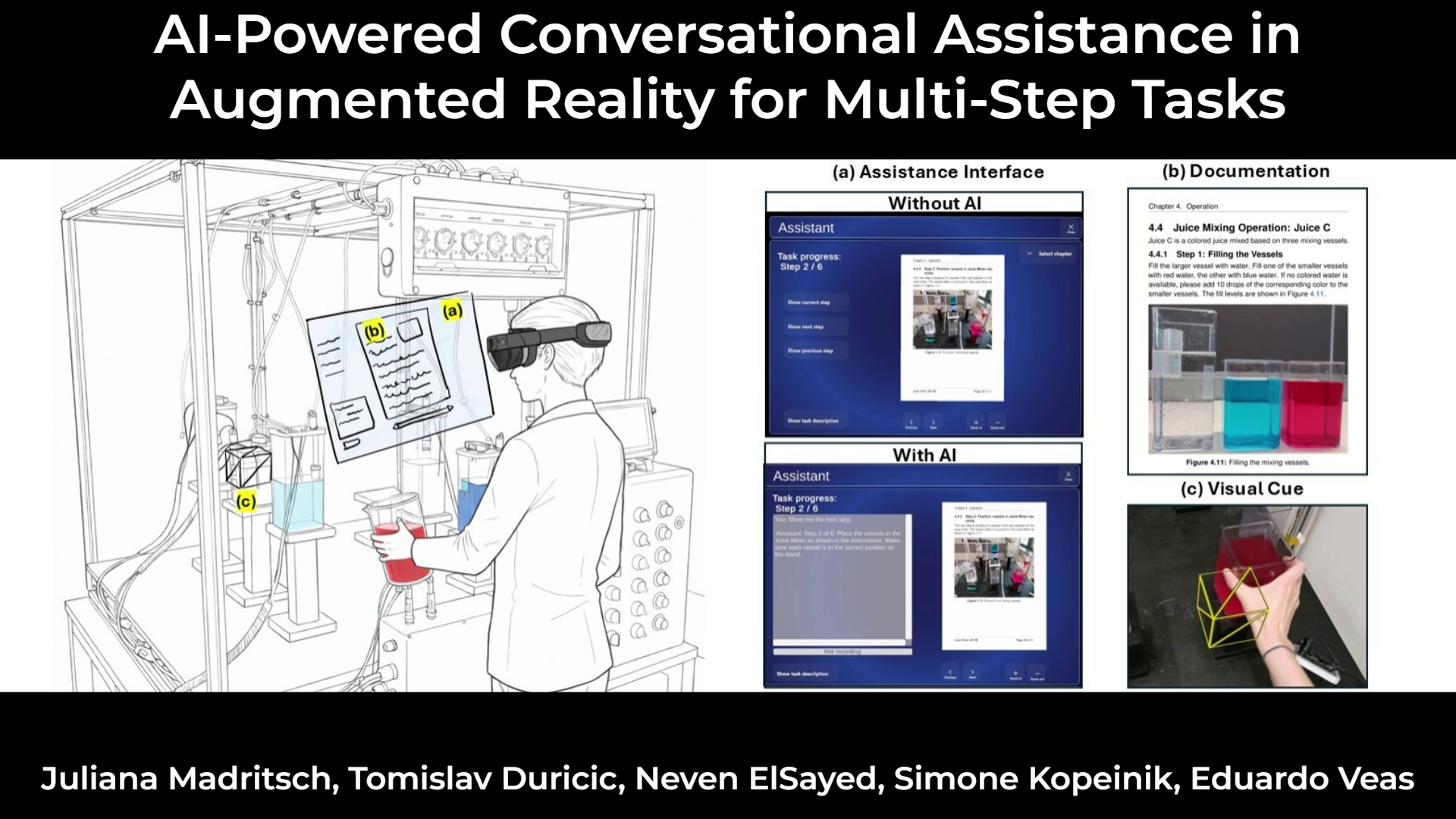
The existing demos provide separate foundations for situated machine data, two-way virtual controls and conversational AR assistance. They show relevant parts of an operations interface. Combining those parts into a unified multi-machine workspace would be a further development, rather than an existing integrated system.
Adapting it to your workflow
A project would identify the machines, users and operational tasks, then connect approved telemetry, documentation and control interfaces. Depending on the equipment, integration could use APIs, PLC connections or OPC UA. The workspace would define permissions, feedback and handling of unavailable or delayed information.
Development could start with a representative asset before extending to several machines. Any AI assistance would be grounded in approved content, with additional live context evaluated for the intended task.
What a project could evaluate
A project could assess whether users locate the right asset and information, interpret its state, understand which controls are available and complete permitted actions correctly. Evaluation would also examine data timing, interface consistency and whether the shared workspace reduces switching between separate systems.