Connect robot sensing and action
Investigate how robots or drones could use information about their surroundings to support decisions and physical actions. This Physical AI research direction connects perception, reasoning and movement around a defined task.
Potential benefits
- Investigate robot assistance that responds to relevant task and environmental conditions.
- Connect sensing and action around a defined operational goal.
- Establish where adaptive behaviour can remain understandable and controllable.
Relevant challenges
Inspection and Monitoring
- Large facilities generate more inspection data than people can review efficiently
- Data from drones, robots, cameras, and sensors may exist in separate systems
How the approach works
Physical AI connects what a system senses with how it reasons and acts in the physical world. A project could investigate context-aware robot assistance or behaviour that adapts when task conditions or surroundings change. Research would establish how people can inspect, guide or override the resulting actions.
Research and demonstrations
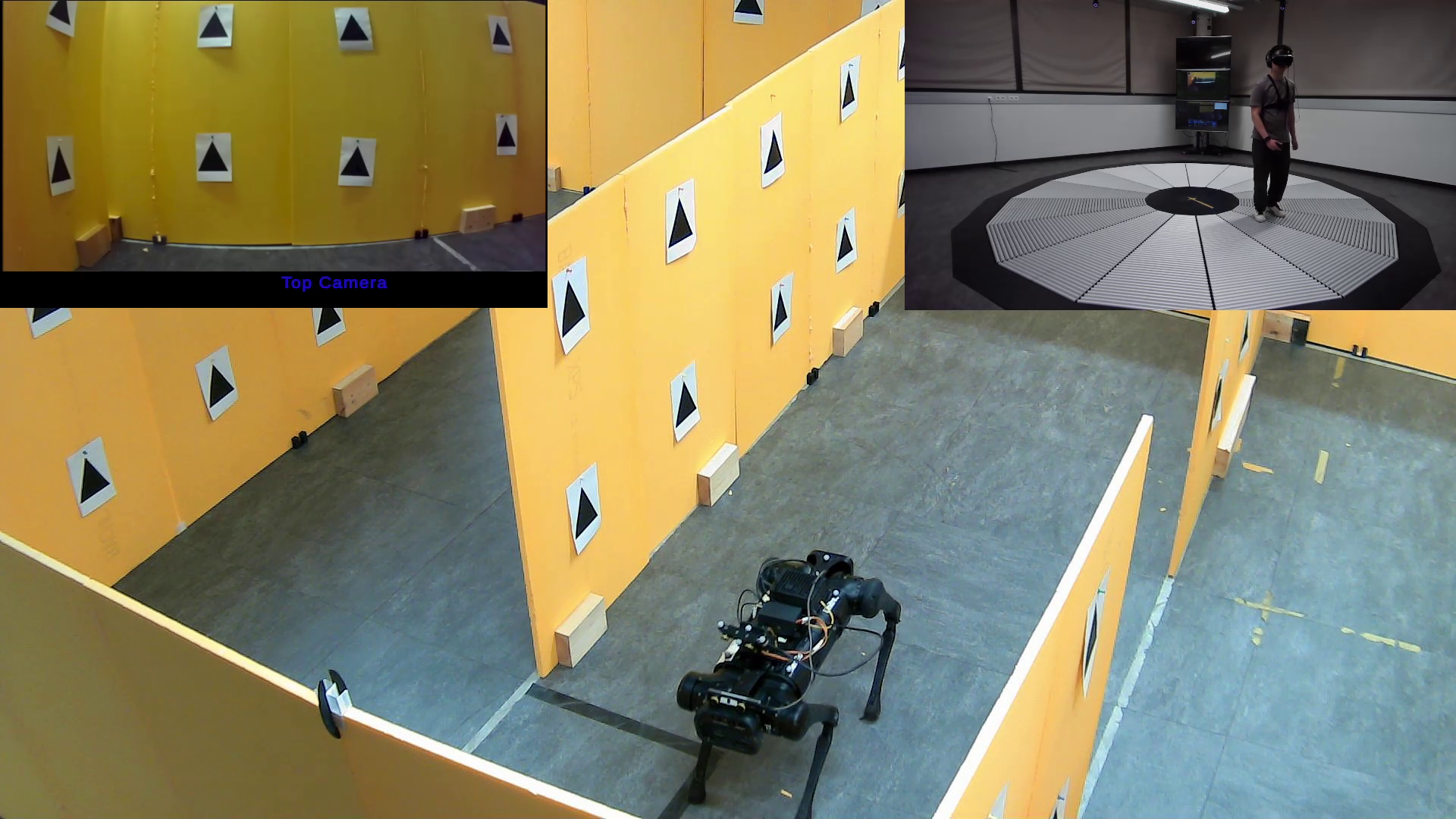
The robot and cloud framework supports communication between remote interfaces, cameras and physical robot movement. Integrating perception, reasoning and action would extend this foundation toward the selected intelligent-system task.
Adapting it to your workflow
A project would integrate the robot or drone, environmental sensing and decision logic around a specific task. Adaptive behaviour would be developed and tested within defined operating conditions. Task success and human oversight would be evaluated in representative environments.
What a project could evaluate
A project could assess whether the system interprets relevant conditions, selects appropriate actions and remains understandable and controllable when the environment changes.